


Thighs or Buttocks (Bilateral) Gallery
$$MultiPurposeText$$
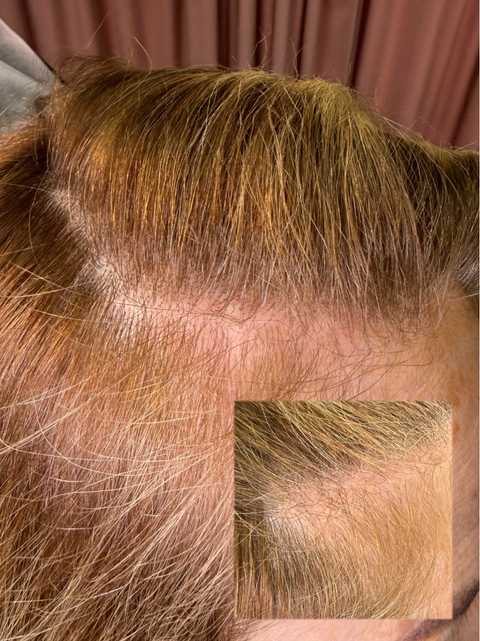
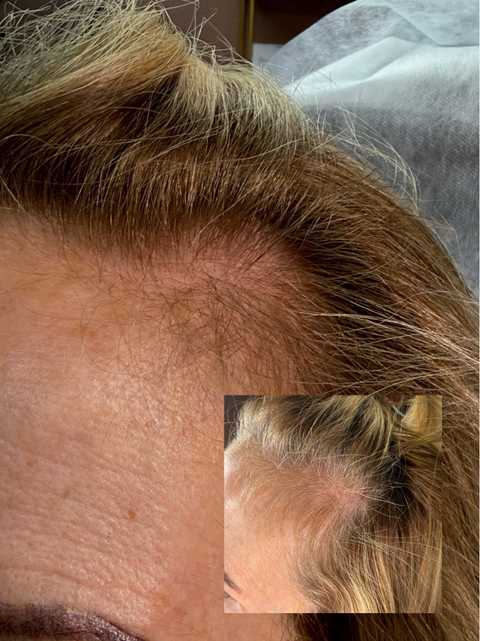
See examples of our Thighs or Buttocks (Bilateral) work and results.


What Our Clients Say
$$MultiPurposeText$$
Read testimonials from our satisfied customers

I had stretch marks on my shoulders and biceps from heavy muscle gain, and they always bot...more

...more
Frequently Asked Questions
Get answers to common questions about Thighs or Buttocks (Bilateral).
Most clients need one to two sessions, with a second session often scheduled eight to twelve weeks later for refinement. Exact number depends on stretch mark depth, color contrast and individual skin healing.
Yes — healed results are designed to look natural. Initial pigment may appear darker, but color softens during healing. Our technicians match tones and layer pigments carefully to mimic surrounding skin for realistic, subtle coverage.
Discomfort is usually mild. We apply topical numbing and take breaks to minimize sensation. Pain tolerance varies, but most describe light pressure or tingling. Aftercare remedies and over-the-counter analgesics can ease post-treatment sensitivity.
Results are semi-permanent. Expect fading over months to years depending on sun exposure, skin turnover and lifestyle. Many clients schedule touch-ups every one to three years to maintain color and coverage for optimal long-term results.
Typical recovery includes mild redness and minimal scabbing for seven to fourteen days. Avoid heavy sweating, swimming and direct sun during healing. Follow our aftercare instructions to support pigment retention and reduce risk of complications.
Certain conditions may contraindicate treatment: pregnancy, active infection, uncontrolled diabetes, recent isotretinoin use, or keloid tendency. Blood thinners and autoimmune concerns require medical clearance. A consultation and patch test determine safety for your Thighs or Buttocks (Bilateral) treatment.