


Regular Stretch Mark Camouflage Gallery
$$MultiPurposeText$$
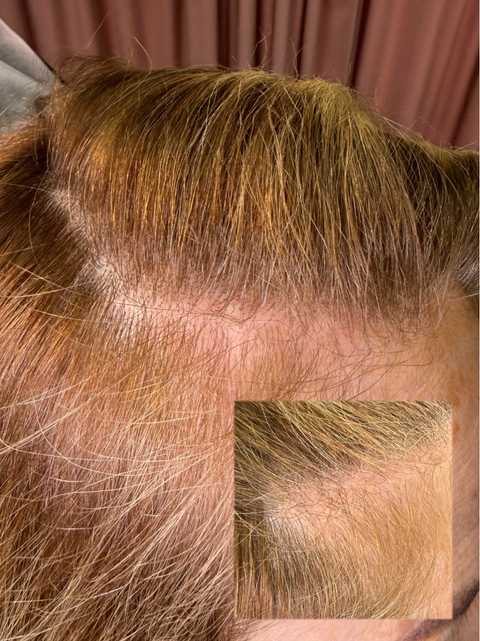
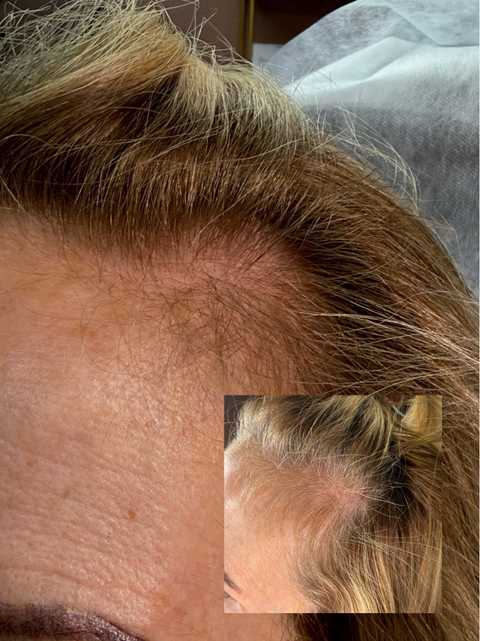
See examples of our Regular Stretch Mark Camouflage work and results.


What Our Clients Say
$$MultiPurposeText$$
Read testimonials from our satisfied customers

I had stretch marks on my shoulders and biceps from heavy muscle gain, and they always bot...more

...more
Frequently Asked Questions
Get answers to common questions about Regular Stretch Mark Camouflage.
Results typically last one to three years depending on skin type, sun exposure and pigment retention. Touch-ups are recommended every 12–24 months to refresh color and blend as skin changes. Individual longevity varies; we offer maintenance plans.
Most clients report only mild discomfort. We apply topical numbing and work with gentle shading techniques to minimize sensation. Pain tolerance varies, but the procedure is generally described as a light scratching or vibration rather than sharp pain.
Small areas often require a single session; larger or older stretch marks may need two to three treatments spaced 6–12 weeks apart. We assess each case during consultation to create a personalized plan and realistic expectations.
Ideal candidates are adults with stable, healed stretch marks seeking cosmetic improvement. Those with keloid tendency, active skin infections, or recent retinoid use may need evaluation. We perform a consultation and patch test to confirm suitability.
Aftercare includes keeping the area clean and moisturized, avoiding sun exposure and swimming for two weeks, and not picking at scabs. Use recommended ointments, avoid exfoliants, and attend scheduled check-ups for touch-ups and healing assessment.
Side effects are usually mild—temporary redness, swelling, or light scabbing. Infection or pigment irregularities are rare when procedures follow strict hygiene. We minimize risk with sterile technique, pre-screening, and a patch test; contact us if unexpected symptoms occur.