


Large Scar Camouflage Gallery
$$MultiPurposeText$$
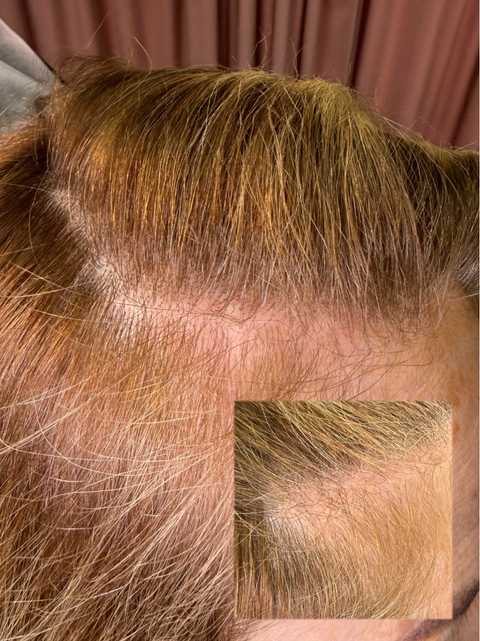
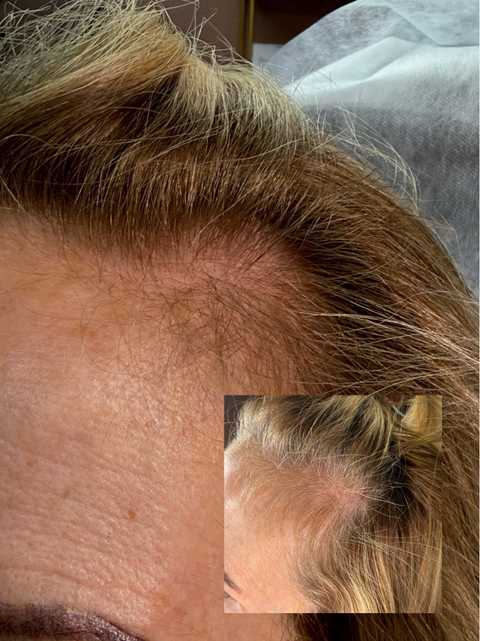
See examples of our Large Scar Camouflage work and results.


What Our Clients Say
$$MultiPurposeText$$
Read testimonials from our satisfied customers

I went in for scar camouflage and had a really good experience. Yuliya explained the proce...more

I am so happy I chose YBrows Beauty Studio for my scar camouflage and Nue Face treatment. ...more

I had an amazing experience at YBrows Beauty Studio with Yuliya. From the moment I walked ...more

...more
Frequently Asked Questions
Get answers to common questions about Large Scar Camouflage.
You may experience redness, mild swelling, and light scabbing for 7–14 days. Pigment continues to settle over several weeks, with final appearance often apparent after two to three months. Follow your clinician's aftercare instructions and attend scheduled touch-up appointments.
Most clients need one to three sessions depending on scar size, depth, color contrast, and skin type. Sessions are typically spaced 6–12 weeks apart to allow proper healing and pigment settling before additional blending or layering.
Yes, many older scars can be effectively blended, but raised or hypertrophic scars may respond less predictably. Some cases benefit from pre-treatment like microneedling or laser to improve texture before pigment work. A consultation determines suitability and expected outcomes.
Discomfort is usually mild to moderate and varies by area and individual sensitivity. We apply topical anesthetic to minimize pain. You may feel pressure or vibration during treatment, and tenderness can continue for several days during the initial healing phase.
Risks include temporary redness, swelling, pigment irregularity, or, rarely, infection or allergic reaction. Choosing an experienced clinician reduces complications. We perform thorough consultations, patch tests when needed, and provide clear aftercare to mitigate risks.
Keep the area clean and lightly moisturized with recommended ointment, avoid sun exposure and swimming until healed, and refrain from exfoliation or abrasive treatments. Follow your clinician's schedule for touch-ups and report any unusual symptoms promptly.