


Patch Test Gallery
$$MultiPurposeText$$
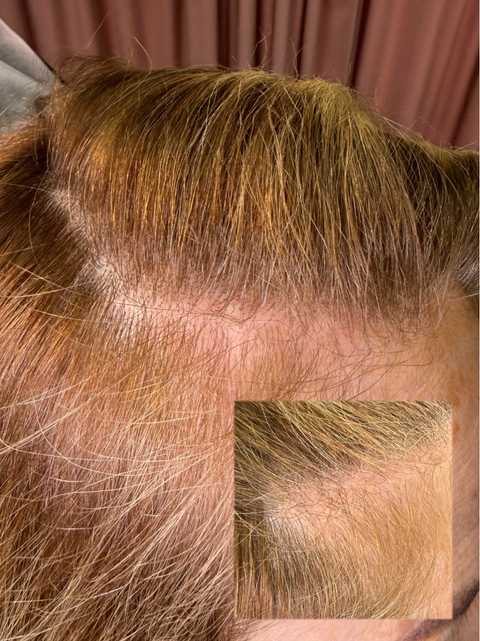
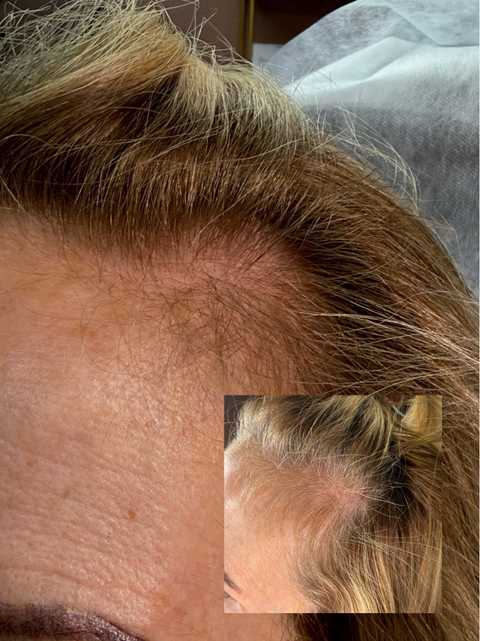
See examples of our Patch Test work and results.


What Our Clients Say
$$MultiPurposeText$$
Read testimonials from our satisfied customers

I went in for scar camouflage and had a really good experience. Yuliya explained the proce...more

Yulia is truly an artist at what she does. I was a newbie to getting my eyebrows “updated”...more

The best place for Botox and other cosmetic treatments at Apollo Beach. Yuliya is very kno...more

I had a wonderful experience at YBrows Beauty Studio. Julia is very professional, attentiv...more

Yuliya is very professional and does everything well. It was a great experience.

I had stretch marks on my shoulders and biceps from heavy muscle gain, and they always bot...more

Frequently Asked Questions
Get answers to common questions about Patch Test.
We apply a small amount of selected pigment to a discreet skin area, monitor for reactions over 24–72 hours, and document any redness, swelling, or irritation. This helps determine suitability and informs pigment choices for your full procedure.
We recommend scheduling the patch test at least 48–72 hours prior to treatment, ideally a week before. This timeframe allows us to observe delayed reactions and confirm pigment compatibility so your full procedure proceeds safely and confidently.
A patch test detects many immediate and delayed sensitivities but cannot guarantee zero risk. Rare reactions can still occur, so we review medical history and advise precautions. Patch testing significantly reduces, but does not eliminate, all potential allergic responses.
The test is minimally invasive; clients typically feel only light pricking or mild discomfort. We apply pigment to a small discreet area—often behind the ear or inner arm—and monitor any reaction with minimal risk and brief recovery.
Avoid exfoliants, retinoids, chemical peels and fresh sun exposure for at least 48–72 hours before testing. Clean, untreated skin provides the most accurate results; we’ll advise specific pre-test care when you book.
If a reaction occurs we document symptoms, recommend appropriate care, and postpone or modify pigment selection. We may suggest alternative pigments, refer to a GP if necessary, and reschedule once it’s safe to proceed.
Read more about Patch Test
$$MultiPurposeText$$
Explore our latest insights and guides on Patch Test.
