


Paramedical Treatment Consultation Gallery
$$MultiPurposeText$$
See examples of our Paramedical Treatment Consultation work and results.


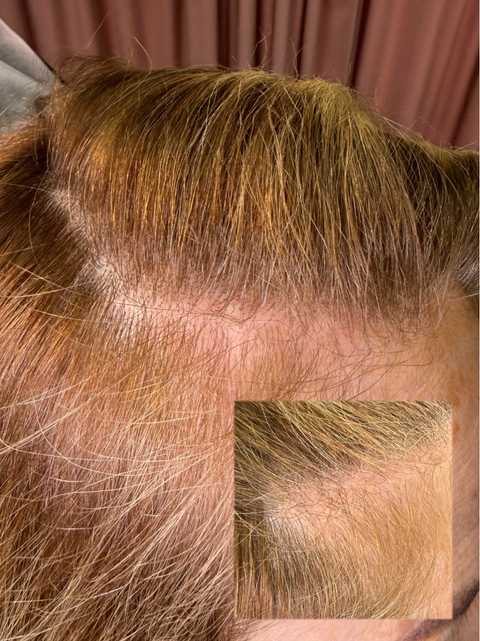
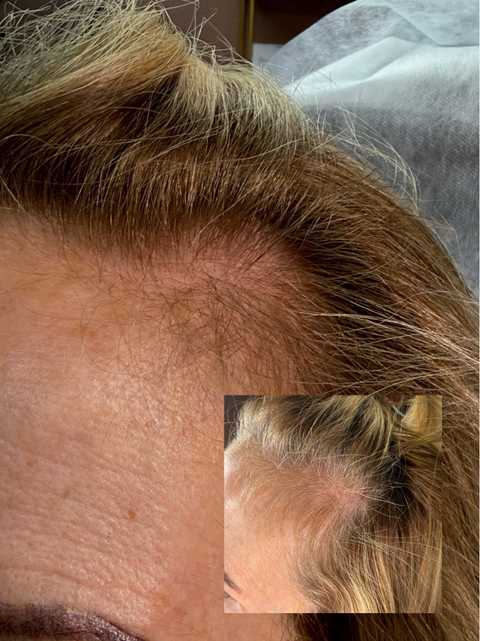
What Our Clients Say
$$MultiPurposeText$$
Read testimonials from our satisfied customers

I went in for scar camouflage and had a really good experience. Yuliya explained the proce...more

Yulia is truly an artist at what she does. I was a newbie to getting my eyebrows “updated”...more

The best place for Botox and other cosmetic treatments at Apollo Beach. Yuliya is very kno...more

I had a wonderful experience at YBrows Beauty Studio. Julia is very professional, attentiv...more

Yuliya is very professional and does everything well. It was a great experience.

I had stretch marks on my shoulders and biceps from heavy muscle gain, and they always bot...more

Frequently Asked Questions
Get answers to common questions about Paramedical Treatment Consultation.
During your consultation we review medical history, examine the treatment area, discuss goals and expectations, and create a personalized plan that includes technique, color matching, scheduling, and aftercare. We also assess suitability and answer any medical or cosmetic questions.
Most clients are eligible once surgical sites have fully healed and scarring is stable. We evaluate skin tone, symmetry goals, and medical history to confirm suitability and outline realistic expectations and timing for natural-looking three-dimensional areola restoration.
Timing depends on scar maturity; typically we wait at least three to six months after surgery, sometimes longer for optimal results. The consultation assesses scar characteristics and healing, then recommends the safest schedule for pigmenting or gradual camouflage sessions.
Paramedical pigments generally do not affect imaging, but certain inks can produce minor artifacts. We coordinate with your medical team and document pigments used. Inform your radiologist about tattoos prior to scans and consult both clinicians if concerns arise.
Most restorative plans require one detailed consultation followed by one to three treatment sessions depending on area, skin response, and desired intensity. Areola or scar cases often need a touch-up for depth and symmetry; hair-support protocols may need additional blending sessions.
Be open about surgeries, medications, autoimmune conditions, skin disorders, allergies, and recent procedures like fillers or laser. This information guides pigment choices, timing, and precautions to reduce infection or healing complications and to achieve the safest, most predictable restorative outcome.
Read more about Paramedical Treatment Consultation
$$MultiPurposeText$$
Explore our latest insights and guides on Paramedical Treatment Consultation.
